Bioregional
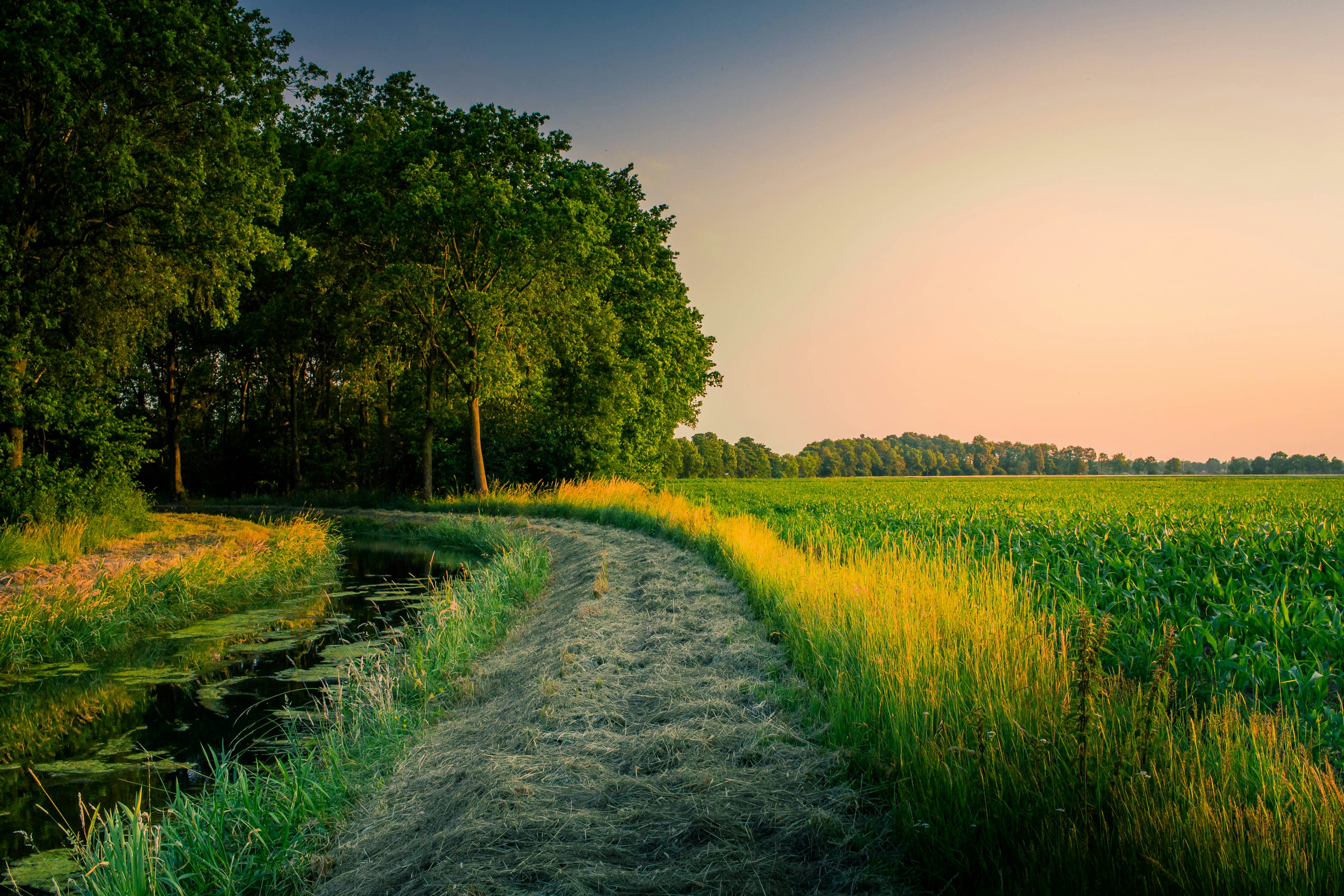
Bioregionalism is a way of living that honours the natural rhythms and boundaries of the land, encouraging communities to shape their cultures, economies, and lifestyles in harmony with their local ecosystems, fostering sustainability, resilience, and a deeper connection to place.

Land of Rivers, Songs,

and Soil

Between the Ganga and the Ghaghara’s bend,

where Rapti and Gandak in silence descend.

lies a land of flood and fertile grain,

of bird-flight paths and monsoon rain.

Oxbow lakes that mirror the sky,

chaurs where wintering birds still fly.

Saras Cranes on a fleeting stay,

folk songs mark their seasonal way.

In fields of wheat, in mustard bloom,

in jaggery fires that chase the gloom.

in fishing nets cast at dawn’s first light,

the rhythm of place holds memory tight.

Folk songs swell as the floods return,

Bhojpuri voices in lanterns burn.

Chhath on the ghats with prayer and fire,

ritual, resilience, hope, and desire.

Memory lingers in river and plain,

in orchards faded, in migration’s chain.

Purvanchal calls, if we lend an ear,

care for the land, its future is clear.

Purvanchal’s strength is never hidden,

it flows through rivers, by soil unbidden.

It soars with birds, in songs retold,

in folklore, memory, and voices bold.

A bioregion rich, where abundance flows,

where nature and culture weave as it grows.

To care for Purvanchal is wisdom’s call:

let rivers sing, let soil nurture all,

let people thrive, and hope for all.
Historical Significance
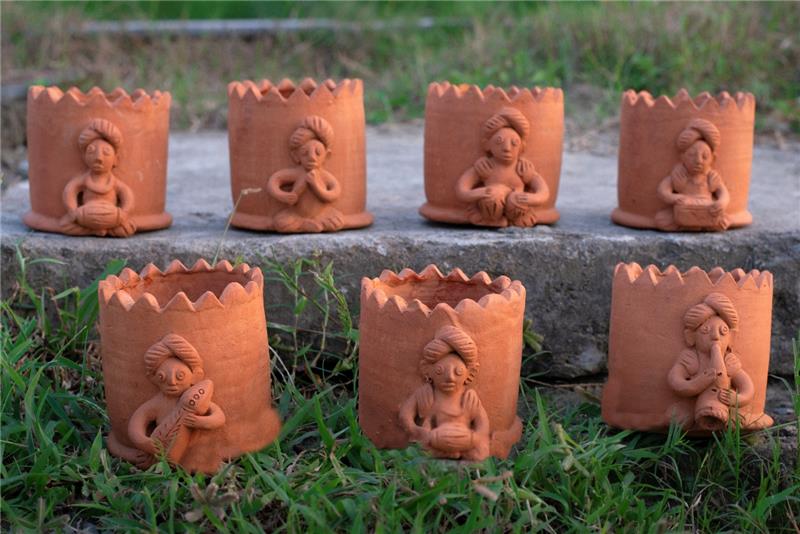
Gorakhpur, an ancient city of historical significance, is situated along the banks of the Rapti River, approximately 272 km to the east of Lucknow. Abode of Gorakhnath, a renowned ascetic, Gorakhpur is a land with its own religious, cultural and historical importance. The work place of famous personalities like writer Munshi Premchand and the mystic poet Kabirdas, the place is also associated with Gautam Buddha, the founder of Buddhism and Lord Mahavir, the father of Jainism. Amongst the many attractions that Gorakhpur has to offer to its visitors is its unique Terracotta Art. An ancient craft cherished for its intricate craftsmanship and historical importance; terracotta is a term used for defining sculptures made in earthenware.
Moonj Craft
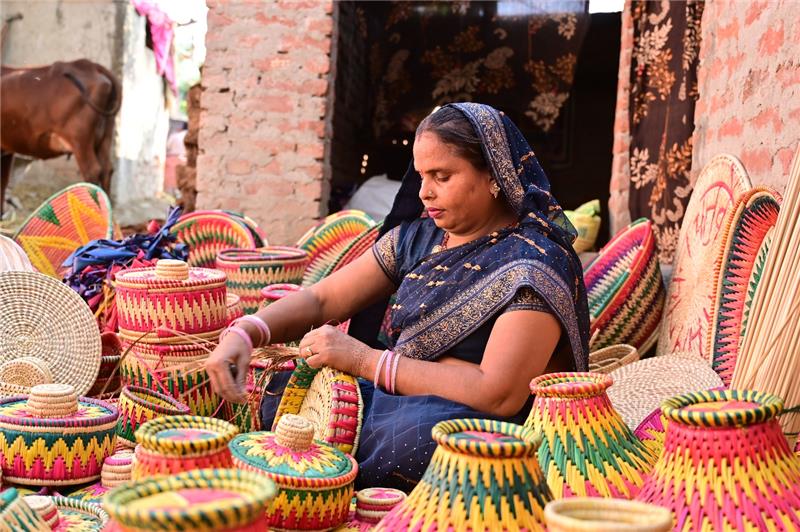
Moonj craft is a traditional weaving practice from rural Uttar Pradesh, particularly in regions like Azamgarh, Deoria, and Kushinagar. Practiced mainly by women, it involves twisting and coiling wild grasses into durable, eco-friendly products. Passed down through generations, this craft supports rural livelihoods while reflecting sustainable living and community craftsmanship. Artisans use simple tools, primarily their hands, along with knives and needles, to shape and finish each piece. The process begins with sun-drying the grasses, which are then bundled and soaked to enhance flexibility. Stored for year-round use, these materials are carefully coiled using traditional techniques, resulting in products known for their strength, durability, and cultural authenticity.
Sant kabir (Bhakti Movement)
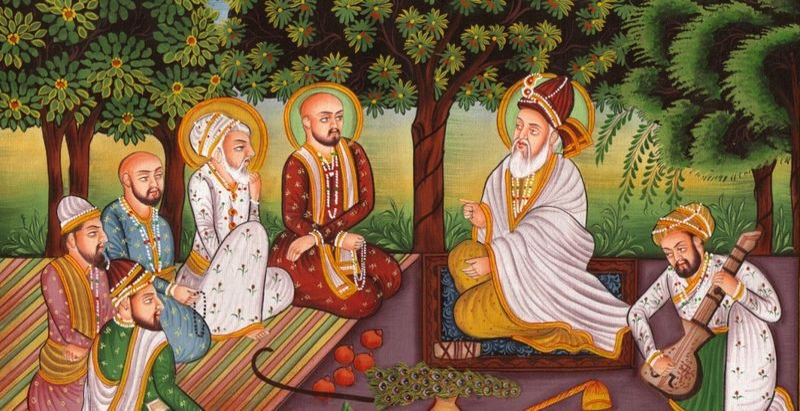
The Sant Kabir Movement holds special significance in Sant Kabir Nagar, as the district represents a landscape where the teachings of Sant Kabir deeply influenced rural society. Kabir’s message of Nirguna Bhakti, social equality, and rejection of caste and ritualism resonated strongly among local communities. The region became an important center for the oral spread of Kabir’s dohas and bhajans, shaping its cultural identity and fostering harmony between religious groups. The naming of Sant Kabir Nagar itself reflects this enduring legacy, symbolizing Kabir’s lasting impact on the district’s social values, spiritual traditions, and collective consciousness.
Kajri Folk Dance
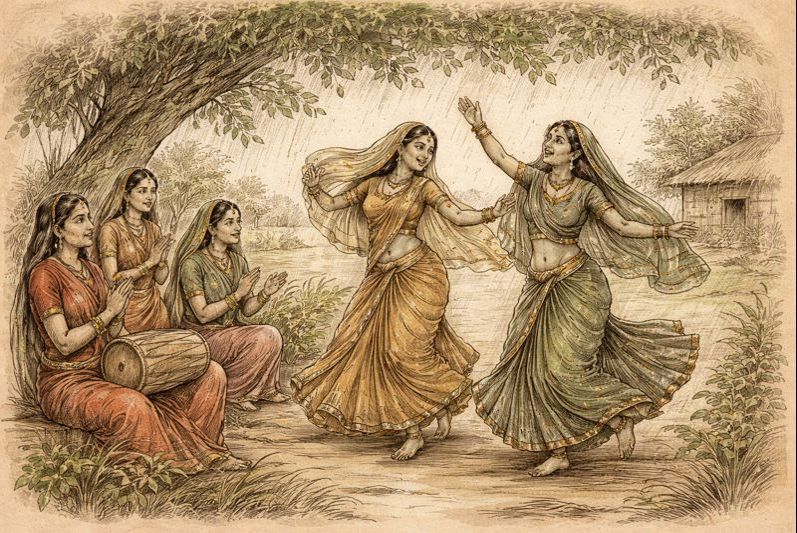
Kajari dance is one of the most popular and well known forms of folk dance in Uttar Pradesh of India. Kajari dance is performed just before the arrival of the monsoons to express joy and happiness. The land of Uttar Pradesh experiences hot summers and the only relief at that time is the arrival of black monsoon clouds that bring with them rain drenched with relief and great joy. To celebrate their arrival, women in the village sing songs and express joy for the upcoming monsoons bidding adieu to the scorching summer. They swing together singing enchanting songs in the village gardens.
Gorakhnath Mandir, Gorakhpur
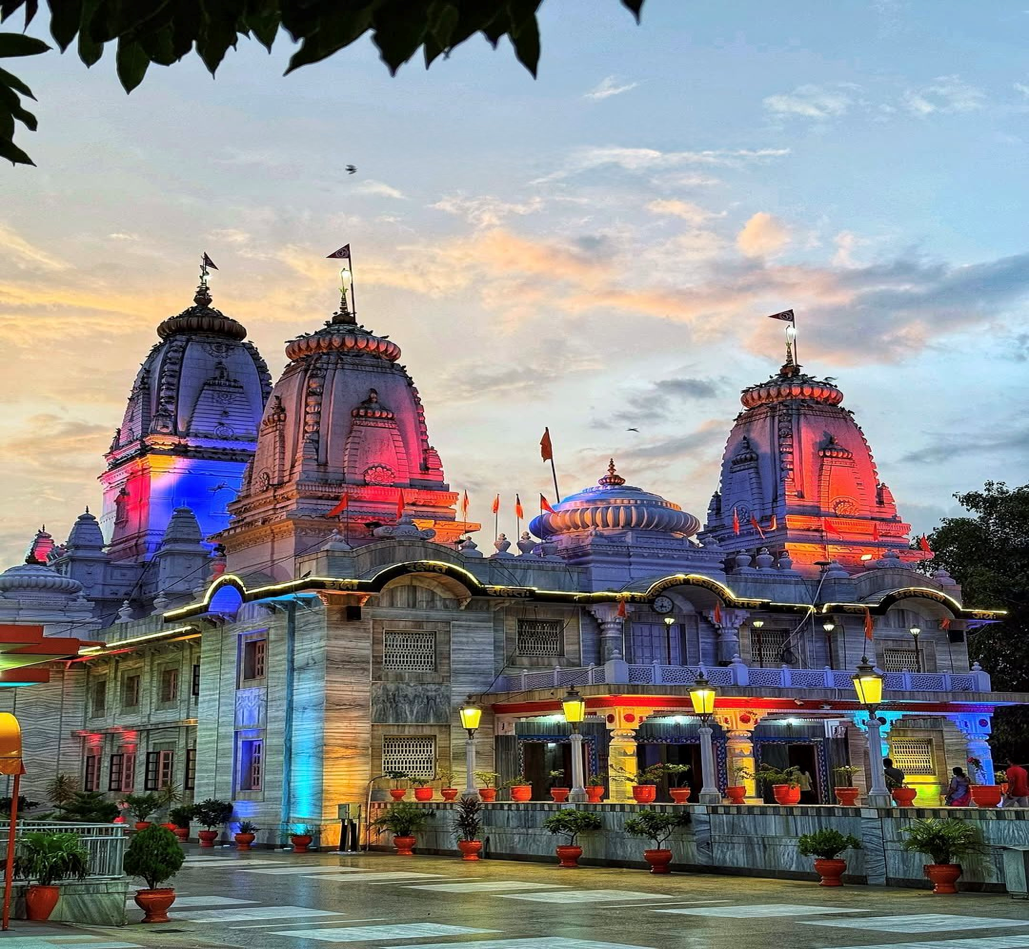
The Gorakhnath Mandir holds immense significance for Gorakhpur, as the city derives its very name from Guru Gorakhnath. The temple is the spiritual and cultural heart of the city, shaping Gorakhpur’s identity for centuries. It functions as a major center of the Nath yogic tradition, influencing local religious practices, festivals, and daily life. Beyond spirituality, the mandir has played an important role in social service, education, and community development, strengthening its connection with the people of Gorakhpur. As a result, Gorakhnath Mandir is not only a place of worship but a symbol of the city’s historical legacy, cultural continuity, and collective pride.
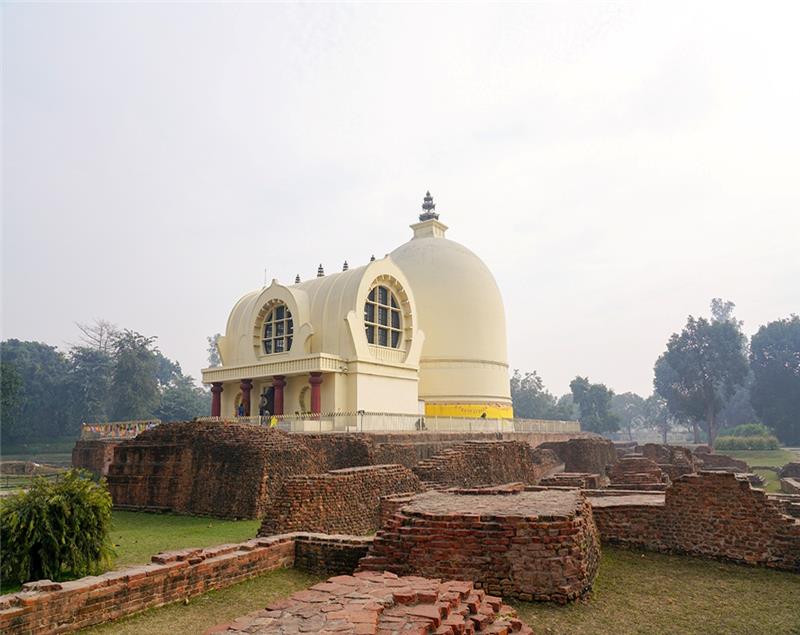
The Parinirvana Stupa
The Parinirvana Stupa is of profound significance to Kushinagar, as it marks the sacred site where Gautama Buddha attained Mahaparinirvana. This makes Kushinagar one of the most important pilgrimage centers in Buddhism. The stupa houses the revered reclining statue of the Buddha, symbolizing peace, compassion, and liberation from the cycle of birth and death. Its presence has shaped Kushinagar’s identity as an international Buddhist heritage site, attracting pilgrims, monks, and tourists from across Asia and the world. The Parinirvana Stupa thus stands as the spiritual core of Kushinagar, fostering cultural exchange, religious harmony, and global recognition of the town.
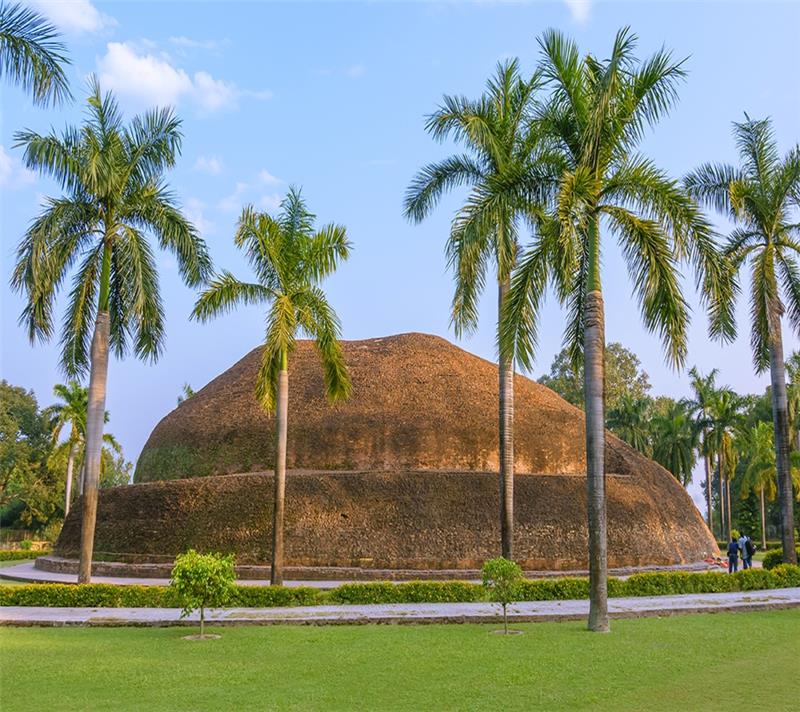
The Ramabhar Stupa
The Ramabhar Stupa holds great significance for Kushinagar as it marks the sacred site where the cremation of Gautama Buddha was performed after his Mahaparinirvana. Also known as Muktabandhan Chaitya, the stupa symbolizes the final earthly rites of the Buddha and represents the completion of his spiritual journey. Along with the Parinirvana Stupa, Ramabhar Stupa reinforces Kushinagar’s status as a key Buddhist pilgrimage destination, highlighting its importance in Buddhist history, spiritual tradition, and global cultural heritage.
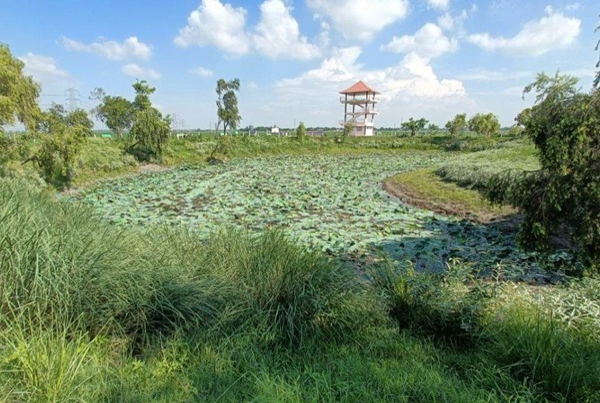
The Surah Taal
Surha Taal is a beautiful natural lake located in the Ballia district of Uttar Pradesh. This serene water body plays an important role in the ecological and cultural life of the region. Locals and tourists visit Surha Taal to enjoy its calm atmosphere, rich biodiversity, and scenic beauty. It supports a variety of aquatic plants, fish species, and birds. It plays a crucial role in maintaining the ecological balance of the region. Local farmers depend on the lake for irrigation and fishing. The lake also recharges groundwater and provides a natural habitat for many endangered species. Environmentalists regularly study this area to protect its biodiversity.
Through integrated spatial analysis, hidden connections between land, water, and livelihoods come into focus.